
Wear
Circulation can flatten raised details. Wear is judged on the design and series, not age alone.
A collector's guide
A grade is a concise description of a coin's condition. Learn what specialists look at, how common terms compare, and where a number can leave questions unanswered.
Explore the grading scale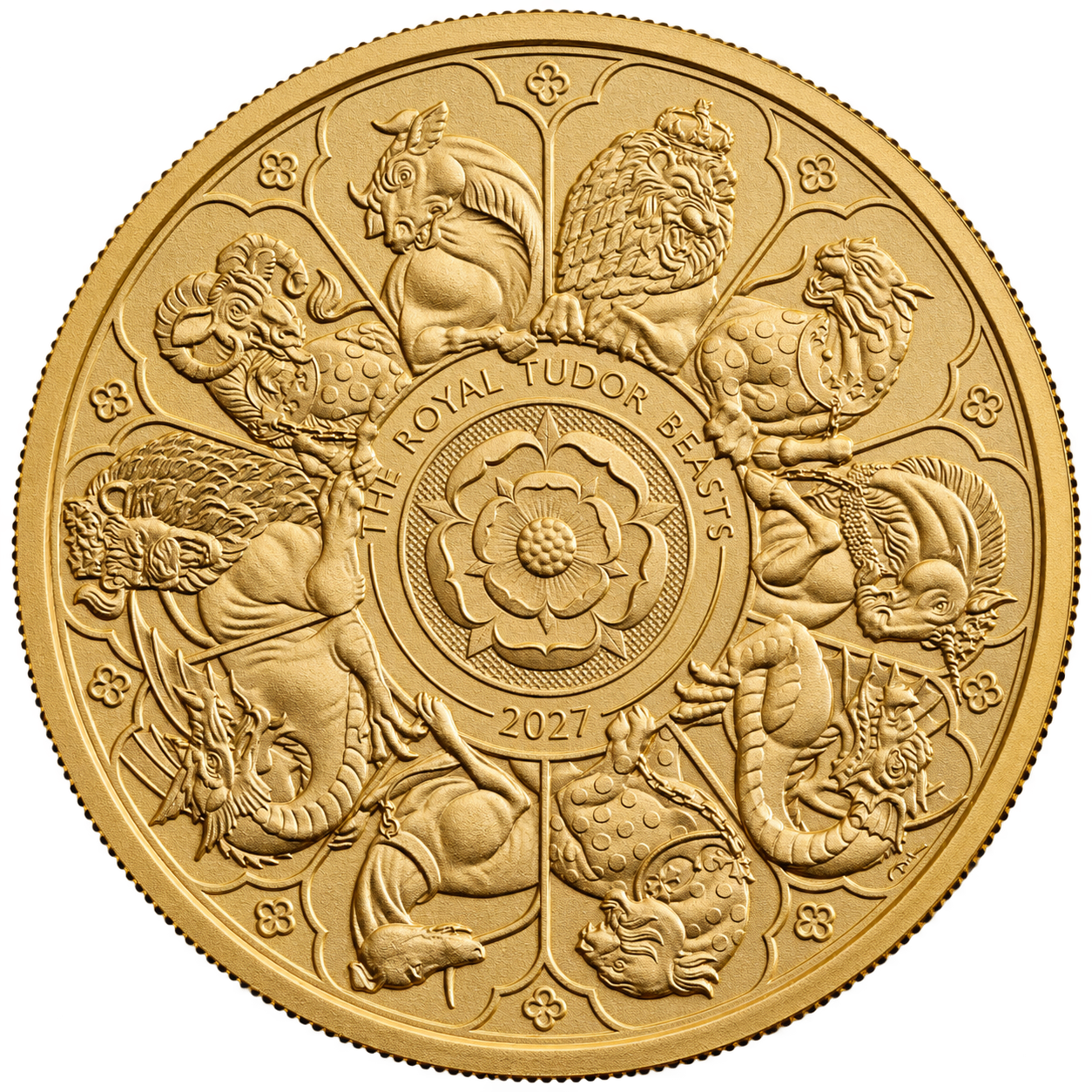
Beyond a number
A sound assessment looks at the whole coin. Lighting, magnification and the coin series all matter.
Circulation can flatten raised details. Wear is judged on the design and series, not age alone.
Some details may be weak from the original minting. A soft strike is not automatically circulation wear.
Marks, scratches, cleaning, corrosion, repairs and handling can change a coin's condition.
Original mint lustre, colour and overall visual balance help complete the assessment.
The Sheldon numeric scale
The slider is an illustration, not a grading tool. Every coin is judged individually, and grading-service terms can vary.
A certified grade describes the coin examined, not every coin of the same date and type.
MS
A Mint State coin with attractive surfaces and marks that are minor or less distracting.
A higher number is not a price estimate. Rarity, demand, authenticity and market conditions also affect value.
Common British descriptions
These broad terms describe preservation. The exact boundary depends on the coin, series and standard being used.
Clear circulation wear; the main design remains identifiable.
Moderate wear, with more of the smaller design details still visible.
Light wear, often on the highest points; most detail remains sharp.
No circulation wear, though marks, toning or a weak strike may still be present.
Independent certification
Third-party services may assess authenticity and condition, assign a grade, then seal accepted coins in a labelled holder. The holder helps protect the coin and carries its certification details.
A certificate records the service's opinion at the time of grading. It does not make a coin flawless or guarantee a future selling price. Check the named service and certificate record when one is provided.
Keep learning